March 4, 2017

March 4

March 4, 2017:  Saturday after Ash Wednesday

How many connections can you make with today?
Legend below
Listen

  • Mighty Lord/ Foley [needs banjo] (psalm); use free Spotify login
Pope Francis at Sacred Music conference, 50 years after Musicam Sacram
The encounter with modernity and the introduction of the vernacular into the liturgy stirred up problems of musical languages, form, and genre.  Sometimes mediocrity, superficiality, and banality have prevailed, to the detriment of our liturgical celebrations.  I encourage all in the field of liturgical music–composers, conductors, musicians, choristers, animators...–to contribute to the renewal of sacred music and chant, especially regarding quality.  We need to promote proper musical education, especially for those preparing to become priests, in dialogue with musical trends, cultural demands, and an ecumenical attitude.
Read

  • Is 58:9b-14  If you remove oppression... and satisfy the afflicted, the Lord will guide and renew you.  If you honor the sabbath, you'll delight in the Lord, and I'll nourish you.
  • Ps 86:1-6  "Teach me your way, O Lord, that I may walk in your truth."  Have mercy on me.  I lift my soul to you; gladden it.  Attend to my pleading.
  • Lk 5:27-32  Jesus to Levi:  “Follow me”; he left everything and followed.  He gave a banquet for him with tax collectors and others; Pharisees complained:  “Why do you eat and drink with tax collectors and sinners?”  Jesus:  “The healthy don't need a doctor; just the sick.  I came to call sinners.”
Reflect
    • Creighton:  In Jesus' time sharing a meal was a very intimate activity, a sign of friendship.  For a Jew to eat with people considered “unclean” (such as tax collectors) because they didn’t keep the law was taboo.  ('Sinners' referred to anyone who didn’t keep the Law.)  By eating with them, Jesus and his disciples also became 'unclean.'  Jesus used this inclusive practice to demonstrate the Father's hospitality welcoming sinners to forgiveness.  Luke likely changed Mark’s wording ("Why does Jesus eat with them?" to "Why do you [plural] eat with them?") to allude to Christians' continuing Jesus' practice.  We sinners are invited to share the Lord's table and called to extend hospitality to "outsiders."  "I was a stranger and you welcomed [synēgagete] me"; the Greek word reminds us of the communal dimension.
    • One Bread, One Body:  "Following the leader":  Jesus dined with sinners, healed on the Sabbath, touched lepers, spoke to a Samaritan woman, didn't condemn an adulteress, and labeled Pharisees "blind guides" and "whitened sepulchers"; he refused to be PC.  How have I bought into anti-gospel values?  The Church doesn't accept notions that violate the dignity of the human person....
      Banquet in the House of Levi/ Veronese
    • Passionist:  "Jesus' healthcare program":  Jesus' response in today's gospel is about 'healthcare' for sinners, especially their “heart disease.”  Jesus encourages us sinners to repent.  Jesus calls Levi from his lucrative post to the humble vocation of disciple, following his own example.  We’re encouraged to improve our practice of prayer, penance, and giving.  We come to Jesus and seek his help in our healing and growth.  As cooperative patients, we’re asked to follow the Doctor's orders.  We're called beyond our old ways to new lives of selflessness, generosity, and discipleship.  May we say yes to Jesus the Divine Physician as Matthew did.
    • DailyScripture.net:  "Jesus calls sinners to follow him":  When we bless others, especially those needing help, God blesses us.  The religious leaders were upset with Jesus' behavior towards public sinners.  Orthodox Jews avoided them, didn't do business with them, didn't give them anything.  Jesus' association with tax collectors and sinners shocked their sensibilities.  When they challenged him, he told them a doctor goes to the sick.  Jesus sought out those in greatest need.  Jesus came as Divine Physician and Good Shepherd to care for us and restore us.  The orthodox were so preoccupied, they neglected to help the people who needed it most.  Jesus came to call sinners, not the "righteous."  Ironically the orthodox were as needy as those they despised; all have sinned.  Thank God for his mercy; seek others' good.  "By 'follow' [Jesus] meant not so much the movement of feet as of the heart, carrying out a way of life.  One who says he lives in Christ ought to walk as Christ walked, not aim at earthly things or pursue perishable gains, but flee base praise, embrace contempt of all that is worldly for the sake of heavenly glory, do good to all, inflict injuries on no one, patiently suffer injury, ask God’s forgiveness for those who oppress, seek God's glory, and uphold what helps you love heavenly things.  In this way Matthew became a follower of One who had no riches. The Lord who outwardly called Matthew inwardly bestowed on him the gift of an invisible impulse so he could follow" (Bede the Venerable).
    Dress legend
    • 'Wheat' pin:  Bestow your bread on the hungry (1st reading)
    • 'Scales of justice' pin:  To fast, do justice (1st reading)
    • 'Feet' pin:  Hold back your foot from following your own pursuits on the sabbath (1st reading)
    • 'Street lamp' tie bar:  If you remove oppression, give your bread to the hungry, and satisfy the afflicted,then light shall rise for you (1st reading)
    • 'Walker' tie pin:  "Teach me Your way, that I may walk in Your truth." (psalm)
    • 'Coin' tie bar:  Jesus saw tax collector Levi (gospel)
    • 'Silverware' tie bar:  Levi gave a great banquet... (gospel)
    • 'Doctor's office' tie:  Only the sick need a doctor (gospel)
    • 'Phone' tie bar:  To you I call all the day (psalm); I came to call sinners (gospel)
    • Blue shirt:  If you remove oppression, give the hungry your bread, and satisfy the afflicted,... you'll be like a watered garden, like a spring whose water never fails. (1st reading)

    March 3, 2017

    March 3

    March 3, 2017:  Friday after Ash Wednesday

    • 'Skeleton' tie pin:  Clothe the naked (1st reading)
    • 'Angel with trumpet' pin:  "Lift up your voice like a trumpet blast" (1st reading)
    • 'Wheat' pin:  Share your bread with the hungry (1st reading)
    • 'Lights' tie:  When you fast like God wants, your light shall break forth (1st reading)
    • 'Phone' tie bar:  You'll call and the Lord will answer (1st reading)
    • 'Heart' tie bar:  You won't spurn a contrite heart (psalm)
    • 'Fire' pin:  "Should I offer a burnt offering, you wouldn't accept it"  (psalm)
    • Blue shirt:  Wash me from my guilt (psalm)
    • Purple suspenders:  Lenten season
    Listen
    For 1st reading
    For Psalm 51:  see Ash Wednesday

    Pope Francis
    Homily:  Today's readings speak about fasting, about the penance we're called to, to draw closer to the Lord.  God delights in contrite hearts, hearts of those who feel and know themselves as sinners. In the 1st reading, God rebukes hypocrites who fast but oppress their workers, doing penance but being unjust. The Lord calls us to a true fast, attentiveness to our neighbor.  Don't take the bribe of vanity, of being seen; your good work is only for the Father.  How do I fast, pray, give alms?  How would I feel about a man who on the way home after a fine dinner out sees someone hungry, doesn’t look at him, and keeps going?


    March prayer intention:  Many are being persecuted because of their Christian faith, forced to abandon their homes, their places of worship, their lands, their loved ones!  Pray with me that they may be supported by the prayers and material help of the whole Church.

    Read
    • Is 58:1-9a  On your fast day you quarrel and carry out your own pursuits, but the fast I want is releasing those bound unjustly, freeing the oppressed, sharing your bread, sheltering the homeless, clothing the naked, and caring for your own.  Then you'll have light, healing, and vindication, and God will answer you.
    • Ps 51:3-6ab, 18-19  "A heart contrite and humbled, O God, you will not spurn."  Have mercy on me.
    • Mt 9:14-15  John's disciples / Jesus:  “Why do we and the Pharisees fast, but not your disciples?” / “Wedding guests can't mourn while the groom is among them, but when he's taken away, they'll fast.”
    Reflect
    • Creighton:  We shouldn’t carry ourselves in a way that ensures everyone knows we're fasting, making a sacrifice, or serving others.  We're challenged to make sacrifices in the service of others. Our motivations are sometimes self-serving, to be seen as caring. We sacrifice and serve with quiet joy; when we recognize God's presence and gifts, we can share and serve out of gratitude.
    • One Bread, One Body:  "A whole-person fast":  We fast so as to share Christ's sufferings; we're to care more about his broken body than our own hungry ones.  The Lord asks, "Did you fast for me or yourselves?"  God wants fasting from humble, contrite people.  May we fast with our whole self.  We can offer a heart that mourns for prisoners, the hungry, homeless, naked, and suffering.  Fast with eyes on Jesus and his word, ears open to obedience, your whole person; build up the body of Christ.
    • Passionist:  What keeps us from being present to Jesus and others?  That's what we need to fast from. Fasting helps us find balance and grow in self-control.  As we fast, pray, and give alms, may we draw closer to God and to others.  Lord, guide me to the fast that will best help grow in faith.
    • DailyScripture.net:  "Fasting for God's kingdom":  Hunger for God and fasting for his kingdom go hand in hand.  The Lord's disciples must bear the cross of affliction and purification; there's a time for rejoicing in the Lord's presence and goodness and a time for seeking him with humility, fasting, and mourning for sin.  May we allow the Holy Spirit to transform our life with God's power and grace.  Fasting can be done to gain freedom from a bad habit, share in others' suffering, or grow in hunger for God and things of heaven.  "Don't just abstain from meat. True fasting is refraining from vice.  Shred your unjust contracts.  Pardon your neighbors...." (Basil the Great).
      • St. Vignal (1 of 50 name variations), abbot

    March 2, 2017

    March 2

    March 2, 2017:  Thursday after Ash Wednesday

    Find a dozen connections with today?
    Legend below

    Listen
    Pope Francis
    Today's homily:  Today's readings place the exhortation to be converted in the context of man, God, and the journey:
    Man:  God has made us free to choose good over evil but doesn't leave it to us alone; he points out the path of goodness with the Commandments.
    God:  It was hard for the disciples to understand the path of the Cross. God took on all human reality except sin; there's no God without Christ. A ‘disincarnate’ god is not real.  God made Christ, for us, to save us.  When we distance ourselves from this reality, from the Cross, from the Lord's wounds, we distance ourselves from God's love and salvation.  People's wounds are Christ's wounds, God's wounds, because God is made Christ.  We must convert not to an abstract God but to the concrete God who is made Christ.
    The journey:  “To come after me, deny yourself, take up your cross daily, and follow me.”  The reality of the journey is that of following Christ, doing the Father's will, taking up the daily crosses and denying oneself to do what Jesus wants.  On this street we lose our life, to regain it later; it's a continual loss of life, loss of doing what I want, loss of comforts, being always on the path of Jesus who adored God and served others.  The only sure path is following Christ crucified.
    The realities of man, God, and the journey are the Christian's compass; it won't let us take the wrong path.
    Ash Wednesday homily:  “Return to Me with all your heart.”  No one should feel excluded; all faithful people are summoned to come and worship God who is gracious, merciful, slow to anger, and abounding in love.  We too want to return to the Father's merciful heart.  Lent is a path to the triumph of mercy over all that would crush us or reduce us to something unworthy of our dignity.  Lent is the road from slavery to freedom, suffering to joy, death to life.  The ashes remind us that we're taken from the earth, made of dust.  But we're dust in the loving hands of God, who has breathed life upon each of us and still wants to keep giving us that breath that saves us from every other breath:  the asphyxia brought on by selfishness, petty ambition, and indifference:  asphyxia that smothers the spirit, narrows horizons, dampens faith, cools charity, and strangles hope.  To experience Lent is to yearn for this life breath that sets us free from the asphyxia we often don't notice.  We've grown accustomed to breathing air from which hope has dissipated, air of glumness and resignation, air of panic and hostility.
    Lent is the time to say no:  no to spiritual asphyxia born of pollution caused by indifference, and by attempts to trivialize life, especially lives of those burdened by superficiality.  No to the pollution of empty words, of hasty criticism, of simplistic analysis that doesn't to grasp the complexity of the problems of those who suffer.  No to the asphyxia of prayer that soothes our conscience, almsgiving that leaves us self-satisfied, fasting that makes us feel good.  No to the asphyxia born of relationships that exclude, that try to find God but avoid Christ's wounds found in the wounds around us.  No to spirituality that reduce faith to a culture of exclusion.
    Lent is a time to remember:  to ask what we'd be without God's mercy, where we'd be without the help of people who have stretched out their hands, given us hope, and enabled us to begin again.
    Lent is the time to start breathing again:  to open up to the breath of the One who can turn our dust into humanity.  It's not the time to rend our garments before the evil around us, but to make room for the good we can do.  It's a time to set aside all that isolates, encloses, and paralyzes us.  Lent is a time of compassion, of saying, “Restore the joy of your salvation; sustain in us a willing spirit,” so our lives may declare your praise and our dust become a “dust of love.”
    To parish priests:  Progress in memory, hope, and discernment:
    Growth in faith implies a path of formation and of maturation in faith through encounters with the Lord throughout life that act as a treasure of memory and are our living faith, in a story of personal salvation.  As basketball players pivot on a stable foot while remaining flexible to protect the ball from opponents, we pivot on the cross of Christ.”
    Memory is remembering the Lord's promise.  Faith nourished on memory confers the solidity of the Incarnation.  Faith feeds on and is nourished by memory:  memory of the Lord's Covenant with us.  He's not a God of the last moment, without a family history, a God who throws out precedents to respond to a new paradigm.  Faith can even progress “backwards” in a return to roots.  The more lucid our memory, the more clear the future opens up, because we can distinguish the new path from the one already taken.
    Hope is the guiding star that indicates the horizon; it opens faith to God's surprises.  Faith is sustained and progresses thanks to hope. Hope is anchored in the heavens, in the transcendent future.  Hope gives dynamism to the rearwards-looking glance of faith, which leads us to find new things in the past, in the treasures of memory, so we may encounter the same God.
    Discernment makes faith concrete and lets us give witness.  Discernment of the opportune time (kairos) is rich in memory and in hope:  remembering with love, I gaze with clarity to what guides to the Promise.  Discernment involves stepping back better to see the panorama, then forward to discern how to concretize love for the good of the other.
    Read
    • Dt 30:15-20  Moses:  “I've set before you life and death, blessing and curse.  If you love God and walk in his ways, you'll live and grow, and the Lord will bless you, but if you turn away, you'll perish.  Choose life and live.”
    • Ps 1:1-4, 6  "Blessed are they who hope in the Lord."
    • Lk 9:22-25  The Son of Man must suffer and be rejected, be killed, and be raised.  “To come after me, deny yourself, take up your cross, and follow me.  If you lose your life for my sake, you'll save it.  What profit is there to gain the world but forfeit yourself?”
    Reflect
      • Creighton:  “Deny yourself, take up your cross daily, and follow me” isn't easy to understand and do.  Am I willing to lose my life?  Some say they'll lose their life for Jesus, but their actions don't reflect it.  Jesus is our example of complete sacrifice. For me, losing my life and taking up my cross begins with a change of attitude:  to cry that I need God in everything I do. But nothing changes or becomes important until it becomes specific. I believe God wants our beliefs to turn into Christ-like behavior.  God is moving in our lives, waiting for us to acknowledge his presence and power.
      • One Bread, One Body:  "What's your cross today?"  To be Jesus' disciples, we must lose our lives for his sake; we live no longer for ourselves but for him who died and was raised up for us.  The key to godly self-denial and discipleship is recognition and acceptance of our daily cross.  Our cross is suffering in the pattern of Jesus' death, freely chosen, carried with forgiveness for those who have sinned against us, being crucified with Christ by dying to self, a privilege, and a great joy.  Holy Spirit, help us recognize, and bear, our daily cross.
        The wicked are like chaff
      • Passionist:  Today's Gospel says what choice we must make to follow Jesus.  Knowing how a story ends is often the key to understanding parts of the story that left us wondering. What did the people around Jesus think when he predicted his death and resurrection, and when he told them they'd have to pick up a cross daily to follow him?  'Cross' (Gk stauros) was an instrument of execution; when Jesus said his followers need to carry it was to identify them with that Roman form of execution.  We choose to follow Jesus to the self-giving of the Cross. We look for ways to put our personal advantage aside and identify with Jesus.  May our daily cross bring us closer to joy.
      • DailyScripture.net:  "Take up your cross daily and follow Christ":  Jesus' obedience reversed the curse of Adam's disobedience; his death won pardon, freedom, healing, and new life.  We lose what we gain and gain what we lose. When we try run our life our own way, we lose it to futility.  Only God can free us from our ignorance and sinful ways. When we surrender to God, he gives us new life. God wants us to be fit to serve him. When the body is weak, we try to nurse it to health; how much more should we work towards spiritual health.  Will you part with anything that might keep you from following Christ?  Each decision we make shapes us. Some may gain all they aim for, then discover they missed the most important things.  Disciples will give up all they have in exchange for true happiness and life with God.  The cross leads to freedom and victory. What cross is Christ commanding me to take up today?  Where does my will cross his?  The cross involves the sacrifice of laying down my life daily for his sake, possible only because God's love has been poured into us....
      Dress legend
      • 'Walker' tie pin:  Walk in the Lord's ways (1st reading); don't walk in the way of sinners (psalm)
      • 'Scroll' pin:  Blessed those who delight in the law of the Lord (psalm); if you keep God's commandments...  (1st reading)
      • 'Heart' pin (oops:  fell off, but later recovered):  ...but if you turn away your hearts...  (1st reading)
      • OneLife LA button:  I set before you life and death; choose life. (1st reading)
      • 'Tree' pin:  One who delights in the Lord is like a tree... (psalm)
      • Blue shirt:  ...planted near running water... (psalm)
      • 'Fruits' tie:  ...that yields its fruit in due season (psalm)
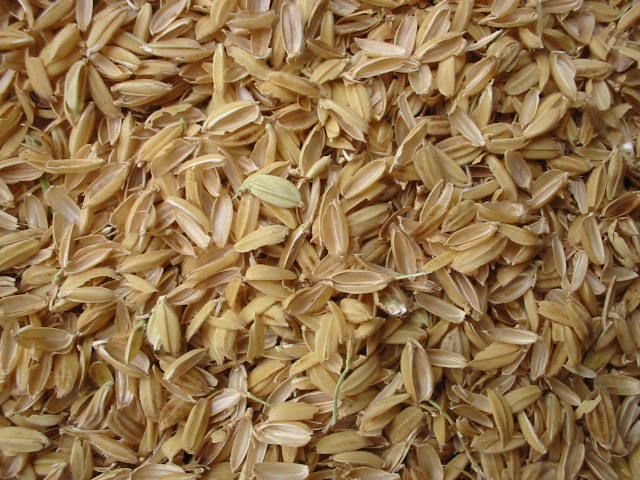
      • 'Wheat' pin:  The wicked are like chaff... (psalm)
      • 'Cross' pin:  "Deny yourself, take up your cross..." (gospel)
      • 'WWJD' pin:  "...and follow me" (gospel)
      • 'Olympics' tie pin:  What's the profit of gaining the world but losing yourself? (gospel)
      • Purple suspenders:  Lenten season

      March 1, 2017

      Ash Wed.

      March 1, 2017:  Ash Wednesday

      • 'Hearts' suspenders:  "Rend your hearts"; "return to me with your whole heart" (1st reading); "create for me a clean heart" (psalm); harden not your hearts (gospel acclamation)
      • 'Phone' tie bar:  'Call' an assembly (1st reading)
      • 'Angel with trumpet' pin:  "Blow the trumpet" (1st reading); don't blow a trumpet when you give alms (gospel)
      • 'Dove' pin:  Don't take your Holy Spirit from me (psalm)
      • 'Clock' pin:  "In an acceptable time I heard you.... Now is a very acceptable time..." (2nd reading)
      • 'Hands' tie:  "When you give alms, don't let your left hand know what your right is doing" (gospel)
      • 'Car' tie pin:  Lent as journey of hope (papal audience)
      • Washed face (not shown):  When you fast,...  wash your face (gospel)
      • Ashes on forehead (not shown):  Ash Wednesday; "you're dust and shall return to dust"
      • Purple shirt:  Lenten season
      Listen

      For Psalm 51 (of the many settings)
      Pope Francis
      General Audience:  Lent is a journey of hope; it directs us towards Resurrection and helps us renew our Baptismal identity. 
      In their Exodus journey, the Chosen People, through the discipline and gift of the Law, learned love of God and neighbor.  It was a long, tormented journey full of difficulties and obstacles, temptations to turn back.  But the Lord stayed close, and they finally arrived in the Promised Land.  Their journey was an 'exodus' out of slavery into freedom, undertaken in hope.  Every step, every test, every fall, every recovery has a sense within God’s saving plan; he wants life for his people.
      Easter is Jesus’ own exodus, his passover from death to life; we participate in it through our Baptism.  By following Christ along the way of the Cross, we share in his victory.  To open this passage for us, he had to humble himself and be obedient until death on the cross.  This doesn’t mean he did everything and we don’t have to do anything, that he went through the cross and we'll go to heaven in a carriage.  Our salvation is his gift, but it's part of a love story and requires our participation.  With a heart open to this horizon, may we enter into Lent feeling we belong to God's holy people; may we begin our journey of hope with joy.
      Lenten message:  The Word is a gift. Other persons are a gift:  Lent is a new beginning, a path to Christ’s victory, a call to conversion.  We're asked to return to God, not settle for mediocrity, and grow in friendship with the Lord.  We can deepen our spiritual life through fasting, prayer, and almsgiving.  We're invited to hear and ponder God's word more deeply.  Let us find inspiration in the parable of the rich man and Lazarus; it provides a key to understanding how to attain happiness and eternal life; it exhorts us to sincere conversion.
      The other person is a gift:  The poor man is described as wretched, full of sores, too weak to stand, being fed on the crumbs falling from the rich man's table.  Dogs are licking his wounds.  He's disgraced and pitiful.  It's even more dramatic when you remember his name is Lazarus ("God helps").  He's not anonymous; we see him, though the rich man hardly does.  He's a face, a gift, a treasure, a human being God loves and cares for, despite his condition as an outcast.  He teaches us that others are a gift.  We need to recognize their value.  The parable invites us to open our heart to others because each person is a gift, whether our neighbor or an anonymous pauper.  Lent is a time to open our doors to all in need and recognize Christ in them.  We meet people like this every day.  Each life we encounter is a gift deserving acceptance, respect, and love.  God's word helps us to welcome and love life, especially when it's weak and vulnerable, but to do this, we have to take seriously what we read about the rich man.
      Sin blinds us:  Unlike Lazarus, the rich man isn't given a name.  He wears extravagant robes.  He's ostentatious about his wealth, displaying it daily.  In him we see the corruption of sin, which progresses from love of money to vanity to pride.  “Love of money is the root of all evils,” the main cause of corruption, a source of envy and strife.   Money can dominate us.  Instead of being an instrument for good, it can chain us and the world to a logic that leaves no room for love and peace.  The rich man’s greed makes him vain.  He shows others what he can do, but his appearance masks interior emptiness.  He's prisoner to appearances.  He dresses like a king and acts like a god.  For those corrupted by love of riches, nothing exists beyond their ego; they don't see those around them.  They're blind to the poor who are starving, hurting.  No wonder the gospel condemns love of money.
      The Word is a gift:  The parable helps us prepare for Easter.  The Ash Wednesday liturgy invites us to remember we're dust and will return to dust.  The rich man and Lazarus both died, and most of the parable takes place in the afterlife, where they discover they can't take anything out of the world.  The rich man speaks with "father" Abraham, as a sign he belongs to God’s people. This makes his life appear even more contradictory; until then there was no mention of his relation to God.  His only god was himself.  He recognizes Lazarus only in the torments of the afterlife.  He wants him to alleviate his suffering, asking what he never did for him.  Then he asks Abraham to send him to warn his brothers, but Abraham answers, “Let them listen to Moses and the prophets....  If they won't, then they won't be convinced even if one rises from the dead.”  At the root of his ills was failure to heed God’s word; he didn't love God or neighbor.  God's word can leading hearts back.  When we close our heart to it, we close our heart to the gift of our brothers and sisters.
      Lent is a time to renew our encounter with Christ and live in his word, the sacraments, and our neighbor.  The Lord shows us the path.  May the Spirit lead us on a journey of conversion, so we may rediscover the gift of God’s word, be purified of sin, and serve Christ present in those in need.  By sharing in Christ's victory, may we open our doors to the weak and poor, then experience and share Easter joy.
      Read
      • Jl 2:12-18  Return to me with fasting and weeping; rend your hearts.  The Lord is gracious, merciful, kind, and relenting.  Proclaim a fast; gather the people; say, “Lord, spare your people, and don't make your heritage a reproach.”  Then the Lord took pity.
      • Ps 51:3-6ab, 12-14, 17  "Be merciful, O Lord, for we have sinned."  I acknowledge my offense.  Create a clean heart for me.  Don't cast me out from your presence.  Give me back the joy of your salvation.  Open my lips, and I'll proclaim your praise.
      • 2 Cor 5:20-6:2  We're ambassadors for Christ.  Be reconciled to God who made Jesus who didn't know sin to be sin, so we might become God's righteousness.  Now is a very acceptable time; now is the day of salvation.
      • Mt 6:1-6, 16-18  “Don't do righteous deeds so that people see them.  When you give alms, pray, or fast, don't call attention to it like hypocrites do.  Do it in secret; your Father will see and repay you.”
      Reflect

        • Creighton:  Lent is a time for sacrifice, but also reconciliation and greater awareness of our relationship with God. It's a time to return to God, acknowledge our shortcomings, atone.  The 1st reading encourages us to come to God for forgiveness and mercy, turning away from whatever has kept us from God and seeking to be better with God's help.  Denying ourselves can help us feel solidarity.  Jesus doesn't discourage us from fasting or almsgiving but does from making a show of it.  Are we giving to help others, or so others can see we're generous? 
        • One Bread, One Body:  "Public or private?"  There is a public dimension to Lent:  the ashes proclaim to we're mortal, sinners in need of God's mercy, and united with other Catholics.  Together we fast, pray, do penance, and give alms to grow together in holiness.
        There's also a private dimension:  giving our lives to the Lord for his own sake, not pride.  We beg the Lord to purify our motives.  We fast to grow close to God, not to be noticed, not primarily to lose weight; we say no to ourselves and yes to the Spirit.  Jesus invites us to accompany him on a retreat into the desert.  Do we want Lent to be a drudgery or a time of growth in grace and power?  Do we want evil to be thrown down by the power of our fasting and prayer?Do we want God's will to be done?
        • Passionist:  “You are dust and unto dust you shall return” is from when God, disappointed in Adam and Eve's sin, warns them of the threat of death.  In the Gen 2 creation account, God took “dust” or “clay,” formed it into a human shape, then breathed life into the man’s nostrils.  We are “dust” but also carry God's life.  “The man became a living being.”  We're clay with the breath of God inside:  prone to failure and sin, but carrying the divine life-breath, in God's image and likeness.  We need to recall both dimensions.  Our “righteous deeds” such as prayer, fasting, and almsgiving should be done to glorify and praise God, not win human favor.  Jesus calls his disciples to be “light of the world,” “salt of the earth,” letting the good example of their lives inspire others.  Pope Francis reminds us of the impact of “small gestures of love.”  Therese of Lisieux invited us to practice the little way of love, not to miss out on a kind word, smile, or any small gesture to sow peace and friendship and break with the logic of violence, exploitation, and selfishness.   “Love, overflowing with small gestures of care… is felt in every action that seeks to build a better world” (Laudato Si).  Our world seems deeply divided.  Perhaps we're called to live with greater integrity and give witness that counters a culture of death with the ideal of a “civilization of love.”  May the ashes we wear remind us and others that we're God’s handiwork, bags of clay carrying the divine life-breath.
        • DailyScripture.net:  "When you pray, fast, and give alms":  God wants to set us ablaze with his Spirit that we may share in his holiness and radiate gospel joy.  "There are two kinds of people and two kinds of love:  one holy, the other selfish; one subject to God, the other trying to equal him" (Augustine).  We are what we love.  God wants to free us from all that would keep us captive.  The Spirit is ready to transform and lead us.
        Jews considered prayer, fasting, and almsgiving as cardinal works of the religious life, key signs of a pious person, three pillars on which the good life was based.  Do you pray, fast, and give alms to draw attention to yourself or give glory to God?  The Lord warned his disciples against preoccupation with looking good and seeking praise.  True piety is loving devotion to God, awe, reverence, worship, obedience; it's a gift and work of the Spirit that enables us to devote our lives to God desiring to please him in all things.
        In God alone do we find life, happiness, and truth. "When I'm completely united to you, there will be no more sorrows or trials; full of you, my life will be complete" (Augustine).  The Lord wants to renew us and give us hearts of love and compassion.  May we seek God in prayer and fasting, generously giving to those in need, and so grow in love for God and neighbor.
        Forty is significant in the scriptures:  days Moses went to the mountain seeking God's face, years the Israelites were in the wilderness preparing to enter the promised land, days Elijah fasted on the way to the mountain of God.  We're called to journey with God and prepare for Easter.  The Lord gives us nourishment and strength to seek him and prepare for spiritual combat and testing. We must follow the way of the cross to share the victory of the resurrection.  Lord, pour out your Spirit that we may grow in faith, hope, and love and embrace your will more fully.